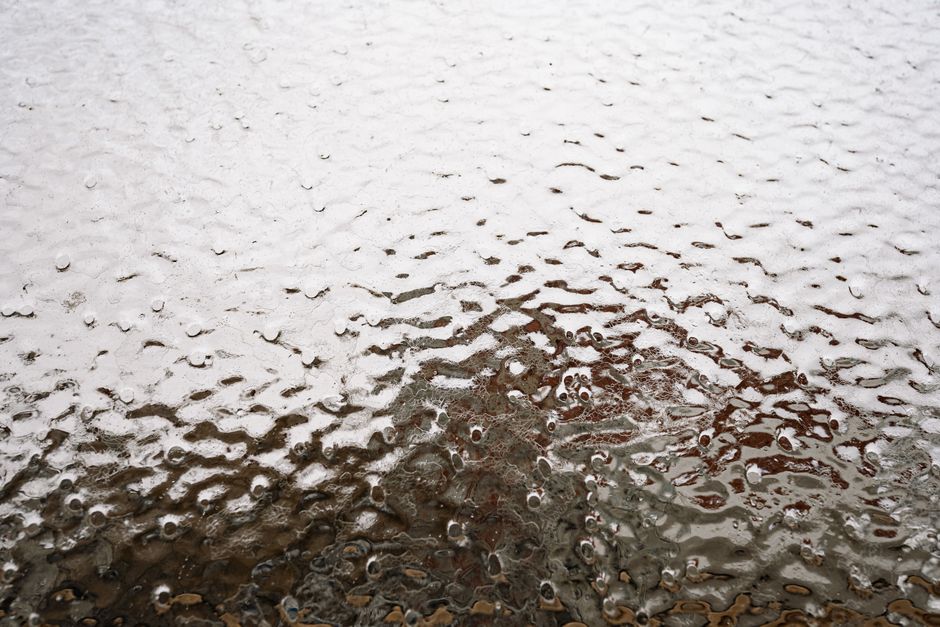
Hard water stains on windows are frustrating because they make your glass look cloudy and dull, even when you've just cleaned it. The good news is that understanding why they happen helps you prevent them and get rid of them for good.
Hard water stains form when water that contains high levels of minerals (mainly calcium and magnesium) sits on your glass and dries. As the water evaporates, those minerals are left behind as a white, chalky, or cloudy film. Over time, repeated exposure to mineral-laden water builds up these deposits until they become really visible.
Where Do Hard Water Stains Come From?
The most common culprit in Las Vegas homes is your lawn sprinkler system. If your sprinklers spray water directly onto your windows, especially lower-level windows, you're creating the perfect setup for hard water stains. Every time the sprinklers run, they're depositing minerals onto your glass.
Our desert climate here in the Las Vegas Valley makes this worse. The water from your sprinkler system is full of minerals, and when it hits your windows and the Nevada sun bakes it dry, those minerals stick around. Low-level windows near sprinkler heads are the highest-risk areas.
Other sources of hard water stains include rain splash, window condensation that dries on the glass, and water from garden hoses. Basically, any hard water that sits on your windows long enough to dry can leave mineral deposits behind.
Why Hard Water Stains Look So Bad
The reason hard water stains are so annoying is that they don't look like dirt. You can't just wipe them away with a regular cloth or a quick spray of window cleaner. They're mineral deposits bonded to the glass surface, so they need actual removal, not just cleaning.
This is why your windows can look freshly cleaned one day and then hazy or spotted the next time the sprinklers run. The stains build up gradually over time, but the effect is real and visible. If you're dealing with regular sprinkler spray on your windows, Time To Shine can help remove existing stains and advise you on prevention strategies.
How to Tell If It's Actually Hard Water Stains
Before you try to remove what you think are hard water stains, make sure that's actually what you're looking at. Hard water stains look like a white, cloudy, or milky film that's pretty uniform across an area. They feel rough or chalky if you run your finger over them (though you shouldn't scratch the glass).
Other things that can make your windows look dirty include regular dirt and dust, soap residue from previous cleaning, salt deposits, paint overspray from construction or maintenance work, and oxidation on older glass. Diagnosing correctly matters because the removal method depends on what's actually on your windows.
Hard water stains specifically will not come off with a simple wipe-down or basic glass cleaner. If you've cleaned your windows and a hazy film remains, hard water minerals are likely the problem.
Related: Hard Water Stain Removal for Windows Near Las Vegas, Nevada
Related: Hard Water Stain Removal for Windows in Henderson, NV
Removing Hard Water Stains From Your Windows

The good news is that removing hard water stains doesn't require complicated procedures or expensive equipment. The key is understanding that you need to dissolve the mineral deposits, not just wipe them away.
White vinegar is one of the most effective household options. The acidity in vinegar breaks down mineral buildup. Spray undiluted white vinegar on the stained areas, let it sit for a few minutes, and then wipe it off with a soft cloth or squeegee. You may need to repeat this a few times for heavy stains.
Another option is a mixture of equal parts vinegar and water in a spray bottle. This is gentler and works well for light to moderate stains. Again, spray, wait a moment, and wipe clean.
For more stubborn stains, some people use a commercial hard water stain remover, which you can find at hardware stores. Always follow the product instructions and test it on a small area first to make sure it's safe for your windows.
Related: How to Remove Hard Water Stains From Windows
After you remove the stains, drying your windows properly is important. Use a microfiber cloth or squeegee to dry the glass completely. This prevents new water spots from forming as the glass dries.
Preventing Hard Water Stains Before They Start
Prevention is easier than removal, so take steps now to keep stains from building up in the first place.
The most effective prevention strategy is to redirect your sprinkler system so that water doesn't spray directly onto your windows. If you can adjust your sprinkler heads to water your landscaping without hitting the glass, you've solved the problem at the source.
If redirecting isn't possible, consider installing sprinkler shields or guards that catch overspray. Some homeowners also install rain gutters or barriers to direct water away from windows.
Wiping down windows after rain or sprinkler cycles can help too. A quick dry with a cloth prevents water spots from setting in. It's not a long-term solution on its own, but it slows down mineral accumulation.
Regular professional cleaning is another smart move. Time To Shine removes hard water stains before they become heavy deposits, and regular service keeps your windows clear throughout the year. This is especially valuable if you're in an area with particularly hard water or if your sprinklers frequently spray your windows.
Why Professional Removal Works Better
You can absolutely achieve professional-level results at home with patience and the right approach. However, professional window cleaners have access to specialized tools and solutions that work faster and more effectively on stubborn mineral deposits.
They also know the difference between hard water stains and other types of glass damage, so they won't waste time on approaches that won't work. For heavy stain buildup or large window areas, professional removal saves you time and ensures the job gets done right the first time.
If you're dealing with hard water stains and want expert help, Time To Shine serves the Las Vegas Valley with professional window cleaning and hard water stain removal. You can reach out for a free quote to see how much your specific situation would cost to fix.
Hard Water Stains and Your Home Value

Cloudy, stained windows affect how your home looks from the street and inside. Clean, clear windows make a big difference in curb appeal and the overall impression your home gives. If you're thinking about selling or just want your home to look its best, keeping windows free of hard water stains is worth the effort.
The same goes for commercial properties. Storefront windows and office building glass need to be spotless to reflect professionalism and attention to detail. Hard water stains undermine that image.
Final Thoughts on Hard Water Stains
Hard water stains develop gradually from repeated exposure to mineral-rich water, especially from lawn sprinklers in our Las Vegas Valley climate. Once you understand where they come from, you can take steps to prevent them and remove them when they do appear.
Whether you handle removal yourself with vinegar and elbow grease or bring in professionals to do it faster, the important thing is addressing the issue so your windows stay clear and beautiful.
How long does it take for hard water stains to form?
Hard water stains build up gradually over time. You might notice light staining after a few weeks of regular sprinkler exposure, but heavy deposits usually develop over months. The exact timeline depends on how often your windows are exposed to mineral-rich water and your local water hardness.
Can hard water stains damage the glass permanently?
No, hard water stains sit on top of the glass surface and don't damage the glass itself. That's why they can be removed. However, if mineral deposits sit on glass for very long periods or if you use abrasive scrubbing methods, you might scratch the glass. Use soft cloths and gentle pressure when cleaning.
Will regular window cleaning prevent hard water stains?
Regular cleaning slows down the buildup of hard water stains, but it won't prevent them entirely if your windows are constantly exposed to mineral-rich water spray. Prevention works best when combined with redirecting the water source. Regular cleaning keeps stains from becoming heavy deposits that are harder to remove.
Is hard water stain removal safe for all window types?
Vinegar and water solutions are safe for most standard windows, but always test on a small area first. If you have special coatings, tinted windows, or antique glass, check with a professional before using acidic cleaners. Some commercial hard water removers list specific window types they're safe for, so read the label carefully.