
Hard water stains on your windows are annoying, but the good news is they're totally fixable. If your glass looks cloudy or spotted no matter how much you wipe it, you're dealing with mineral deposits left behind by water spray or sprinkler runoff. The minerals stick to the glass and create those stubborn white, chalky marks that regular cleaning just won't touch.
In the Las Vegas Valley, hard water stains are especially common because of our dry climate and the way water evaporates so quickly on hot surfaces. Whether you're in Summerlin, Henderson, or anywhere else in the valley, outdoor windows near sprinkler systems are prime targets. Let's walk through how to tackle these stains and get your windows sparkling again.
Why Hard Water Stains Happen (And Why They're So Stubborn)
Hard water contains dissolved minerals, mainly calcium and magnesium. When that water dries on your glass, it leaves those minerals behind as crusty, rock-hard deposits. The longer they sit, the more stubborn they become.
The reason they're so tough to remove is simple: they're basically stuck to the glass at a molecular level. Your regular window cleaner and squeegee aren't strong enough to break that bond. You need either time (to let a treatment soak in) or a more aggressive approach.
If you notice stains appearing regularly, your windows are probably in the path of a sprinkler or near a water feature. Homes in areas like Enterprise, Spring Valley, and Green Valley often deal with this because of irrigation systems. The mineral-heavy water in the Las Vegas Valley makes the problem worse than in many other places.
Hard Water Stains on Windows Removal Tips: Getting Started
Before you start treating stains, prep your windows properly. This makes a huge difference.
First, clean your windows thoroughly with regular glass cleaner or soapy water to remove loose dirt, dust, and debris. You want a clean surface so your stain treatment can actually contact the glass. Wipe everything down with a soft cloth or microfiber rag.
Next, identify which stains are actually hard water deposits versus just regular grime. Hard water stains feel rough and chalky when you touch them dry glass. They won't come off with your fingernail, and regular scrubbing doesn't budge them. If that sounds like what you're dealing with, move forward with one of the treatment methods below.
The key is patience. Most treatments need time to work. Don't expect instant results or stains to disappear with one wipe.
Method 1: The Vinegar Soak
White vinegar is a classic hard water stain fighter and it's probably already in your kitchen. The acidity in vinegar breaks down mineral deposits without scratching your glass.
Here's how to use it:
- Fill a spray bottle with white vinegar (undiluted works best for heavy stains)
- Spray the stained areas generously
- Let it sit for 15-30 minutes so the vinegar has time to work
- Wipe with a soft cloth or microfiber rag in circular motions
- Rinse with clean water and dry with a lint-free cloth
For really stubborn stains, spray again and let it sit even longer (up to an hour). You might need to repeat this process multiple times. The longer you let the vinegar work, the better your chances of breaking down those mineral deposits.
One heads-up: your windows will smell like vinegar for a bit, but that goes away once everything dries.
Method 2: Specialized Hard Water Stain Removers
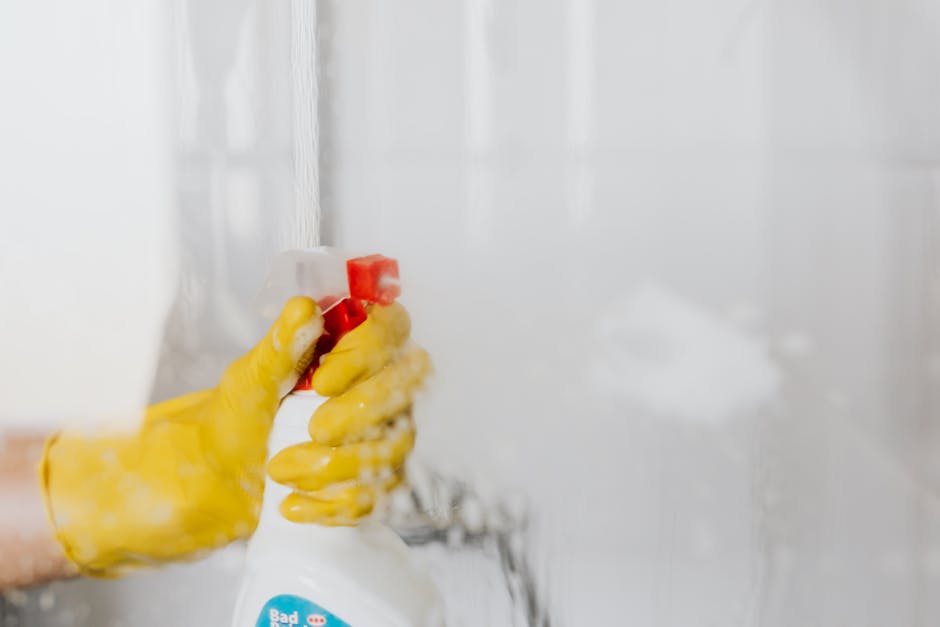
If vinegar isn't cutting it, chemical treatments designed specifically for hard water stains are available and they're strong. These products are formulated to dissolve mineral deposits without damaging glass.
When shopping for a hard water stain remover, look for products that mention calcium or mineral deposit removal. Follow the instructions on the bottle exactly, since different products have different strengths and soak times.
Most of these cleaners work similarly to vinegar but pack more punch:
- Spray or apply the product to stained glass
- Allow soaking time (usually 10-30 minutes depending on the product)
- Scrub gently with a soft cloth if needed
- Rinse thoroughly with clean water
- Dry completely
Always test any chemical treatment on a small, inconspicuous area first to make sure it won't damage your glass or frames.
Method 3: Abrasive Cleaning for Tough Deposits
Sometimes the stains are so baked on that soaking alone won't work. For these rock-solid deposits, you might need a slightly more abrasive approach.
Use a non-scratching scrub pad or soft-bristled brush along with your vinegar solution or stain remover. Apply gentle pressure and work in small circular motions. The goal is to loosen the mineral deposit without scratching the glass.
Never use steel wool, scouring pads, or anything sharp. These will definitely scratch your glass and make things worse. Stick with soft materials that are specifically labeled as safe for glass.
If you're uncomfortable doing this yourself or worried about damaging your windows, Time To Shine has professional-grade tools and experience handling these tough stains safely.
Preventing Hard Water Stains From Coming Back
Once you've removed the stains, you don't want them back right away. Prevention is way easier than removal.
Related: How to Remove Hard Water Stains From Windows
If your windows are near sprinklers, adjust them so they don't spray directly onto glass. Even small changes to the sprinkler angle can make a big difference. Check your irrigation system regularly and keep nozzles pointed away from windows and screens.
If you're washing your windows yourself, use filtered or distilled water when possible instead of tap water. The minerals in tap water will eventually leave stains anyway.
Regular maintenance helps too. A quick rinse after rain or sprinkler activity keeps mineral deposits from building up. The sooner you address spots, the easier they are to remove.
When to Call a Professional
If you've tried these methods and the stains are still hanging around, or if your windows are high up and hard to reach safely, it's time to bring in backup.
Professional window cleaners have commercial-grade solutions and specialized equipment that can tackle stubborn hard water stains much faster than DIY methods. If you're in the Las Vegas Valley, Time To Shine handles hard water stain removal on residential and commercial windows across Las Vegas, Henderson, Summerlin, North Las Vegas, Boulder City, Lake Las Vegas, and throughout the valley.
Related: Hard Water Stain Removal for Windows in Henderson, NV
Plus, professionals can assess whether the stains are actually damage to your glass or just mineral deposits that can be safely removed. That peace of mind is worth it for a lot of homeowners and business owners.
Frequently Asked Questions
Can hard water stains damage my windows permanently?
No. Hard water stains are mineral deposits sitting on top of the glass, not damage to the glass itself. As long as you don't scrape aggressively with sharp objects, the stains can be removed without harming your windows. The glass underneath is fine.
How often will hard water stains come back?
It depends on your sprinkler system and local water quality. In the Las Vegas Valley, if sprinklers are hitting your windows regularly, you might see new stains within a few weeks or months. Adjusting your irrigation system to avoid window spray is the best long-term fix.
Is vinegar safe to use on all window types?
Vinegar is safe for regular glass windows. If you have specialty coatings on your windows, tinted glass, or storm windows, check the manufacturer's recommendations first. When in doubt, test on a small area before treating the whole window.
What's the difference between hard water stains and water spots?
Hard water stains are mineral deposits that feel rough and chalky and won't come off with regular cleaning. Water spots are usually lighter marks from dried water droplets. Water spots come off easier, but hard water stains require one of the methods mentioned above to remove them completely.